A Chef's Garden in Your Living Room
One of the most rewarding applications of an indoor greenhouse system is maintaining a steady, year-round supply of fresh culinary herbs. Having immediate access to vibrant, aromatic foliage elevates home cooking and eliminates the waste of buying plastic-wrapped herb bundles from the grocery store that spoil within days.
While almost any plant can theoretically be grown indoors given the right conditions, certain herbs are inherently better suited to the compact dimensions and stable micro-climates of indoor enclosures. By categorizing herbs based on their environmental preferences, you can group them efficiently under your grow lights.
Moisture-Loving Herbs
These herbs thrive in higher humidity and prefer soil that remains consistently moist (but never waterlogged). They are incredibly fast growers and are excellent candidates for indoor hydroponic systems like NFT or DWC.
Basil (Ocimum basilicum)
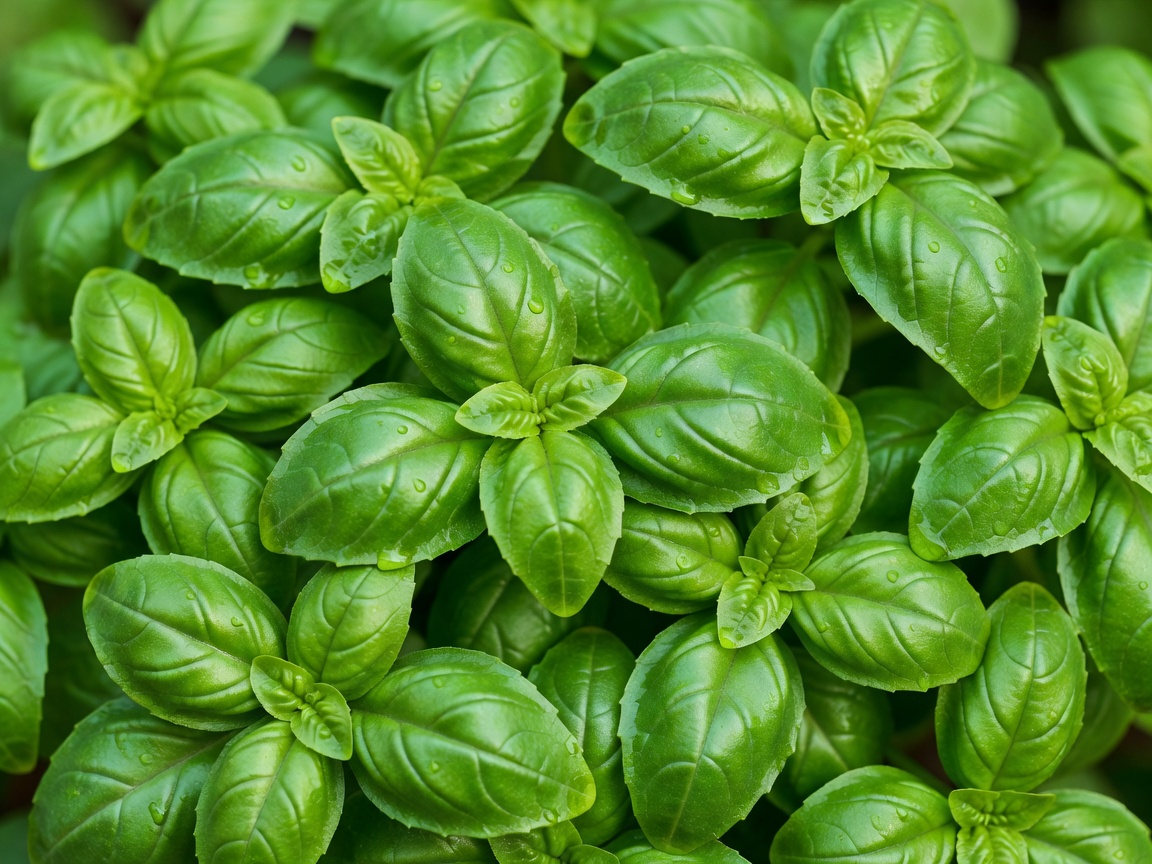
Basil is the undisputed king of indoor herb gardens. It craves warmth (ideal temperatures between 70°F and 80°F) and plenty of light. When grown under full-spectrum LEDs, basil produces large, deeply flavorful leaves. Regular harvesting—specifically pinching off the top leaves just above a node—encourages the plant to branch outwards, creating a dense, bushy structure rather than a tall, leggy one.
Mint (Mentha spp.)
Mint is famously vigorous and invasive if planted outdoors in the ground. Confining it to an indoor container is actually ideal. It tolerates slightly lower light levels than basil and appreciates consistent moisture. Because it spreads through underground runners, mint should always be given its own dedicated pot to prevent it from choking out companion plants.
Cilantro (Coriandrum sativum)
Cilantro has a notorious reputation for "bolting" (rapidly going to seed) when exposed to hot weather outdoors. Growing it in a climate-controlled indoor greenhouse allows you to maintain the cooler temperatures (around 65°F to 70°F) that keep the plant in its vegetative state longer, providing a continuous harvest of leaves.
Drought-Tolerant Mediterranean Herbs
Herbs originating from the Mediterranean region require distinctly different care. They prefer excellent drainage, lower humidity, and allow the soil to dry out significantly between waterings. If you are growing these alongside your moisture-loving herbs, it is crucial to pot them separately and adjust your watering schedule.
Rosemary (Salvia rosmarinus)
Rosemary requires intense light to thrive indoors. Without sufficient photons, its needle-like leaves will grow sparse, and the stems will weaken. It demands extremely well-draining soil—adding extra perlite or coarse sand to your potting mix is highly recommended. Overwatering is the most common cause of indoor rosemary failure.
Thyme & Oregano
Both thyme and oregano share similar care requirements to rosemary. They are low-growing, trailing herbs that benefit immensely from the intense, direct light of modern LED fixtures. Their flavors actually intensify when the plants are kept slightly stressed by dry soil conditions between waterings.
Strategic Harvesting
To maximize yields in an enclosed system, harvest your herbs frequently. Never remove more than one-third of the plant's total foliage at one time, as it needs those leaves to generate energy for recovery. By selecting a mix of rapid-growing broadleaf herbs and hardy Mediterranean staples, your indoor greenhouse will provide dynamic, year-round culinary utility.