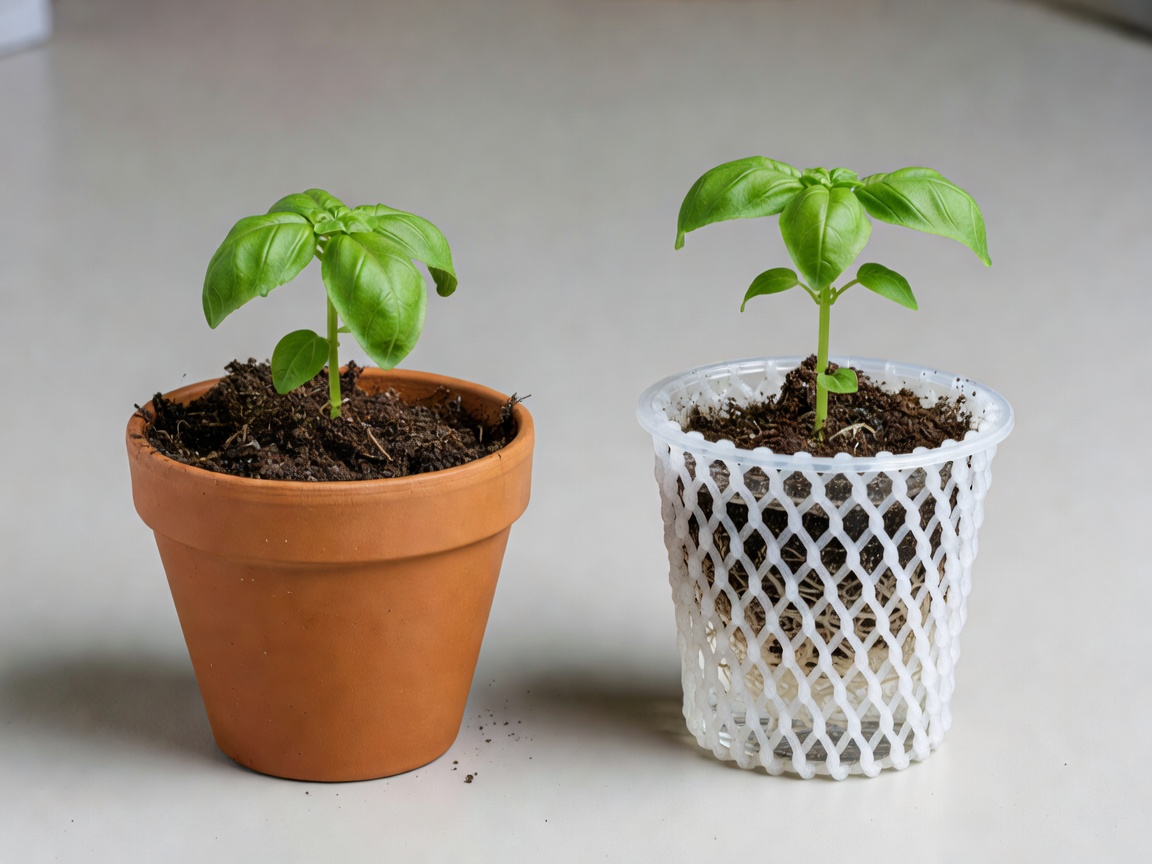
Understanding Indoor Growing Mediums
When planning an indoor greenhouse system, one of the most foundational choices you will make is how to support your plants' root systems. The two primary categories—traditional soil-based growing and soilless hydroponics—each offer distinct advantages, specific maintenance routines, and different upfront space and cost requirements.
Choosing between them dictates not only the physical infrastructure of your setup, but also your daily and weekly workflow. Whether you prefer the organic, natural buffer provided by rich potting mixes, or the rapid, precise nutrient delivery of a water-based system, understanding the mechanics of each is critical to a successful harvest.
The Case for Soil-Based Systems
Growing in soil (or high-quality peat and coco coir potting mixes) remains the most accessible entry point for indoor cultivation. Soil acts as a massive biological buffer, retaining moisture and regulating nutrient uptake slowly over time. This makes it highly forgiving for beginners; if you slightly over-fertilize or miss a watering by a day, the soil ecosystem often protects the plant roots from immediate shock.
In an indoor greenhouse setting, soil systems are generally set up in fabric pots, standard nursery pots, or raised indoor planter beds. The primary requirements are high-quality organic matter, adequate drainage, and a structured watering schedule.
Pros of Soil:
- Lower Initial Cost: Requires only containers, soil, and basic fertilizers without the need for pumps or reservoirs.
- Forgiving Buffer: Soil naturally corrects minor pH imbalances and staggers nutrient absorption.
- Rich Terpene Profiles: Many growers argue that organic soil microbes enhance the complex flavors and aromas of herbs and fruiting plants.
Cons of Soil:
- Slower Growth: Plant roots expend energy pushing through dense soil to seek out water and nutrients, resulting in slower vegetative growth compared to hydroponics.
- Pest Risks: Soil can harbor fungus gnats, root aphids, and other pests that thrive in moist, organic matter.
- Mess and Weight: Moving soil bags and dealing with runoff indoors can be messy and heavy.
The Hydroponic Advantage
Hydroponics abandons traditional soil entirely, delivering water and water-soluble nutrients directly to the root zone. Common indoor hydroponic setups include Deep Water Culture (DWC), Nutrient Film Technique (NFT), and simple ebb-and-flow systems. By providing the exact ratio of macronutrients and micronutrients in a highly oxygenated water solution, plants no longer need to "search" for food.
This efficiency translates into explosive growth rates. Indoor greenhouse systems utilizing hydroponics can often shave weeks off a plant's vegetative cycle. However, this precision requires vigilance. Because there is no soil buffer, a pump failure or a sudden pH spike can cause severe damage within hours.
Pros of Hydroponics:
- Rapid Growth Rates: Direct access to dissolved nutrients and oxygen can increase growth speeds by up to 30-50%.
- Space Efficiency: Plants can be grouped closer together, and vertical systems (like NFT channels) make excellent use of limited indoor space.
- Water Conservation: Recirculating systems capture and reuse water, meaning hydroponics often uses significantly less water overall than traditional watering.
Cons of Hydroponics:
- Higher Startup Complexity: Requires reservoirs, air pumps, water pumps, tubing, and pH/EC monitoring meters.
- Less Forgiving: Sudden changes in water temperature, nutrient concentration, or pH immediately impact the plant.
- Electricity Dependent: If the power goes out, systems like aeroponics or NFT leave roots vulnerable to drying out very quickly.
Which System is Right for You?
Your choice depends heavily on what you intend to grow and your available time. If you are constructing a small, decorative indoor greenhouse in a living room and wish to grow ornamental plants or a few culinary herbs with minimal daily checking, a high-quality organic potting mix is likely the best route.
Conversely, if your goal is maximum yield in a dedicated spare room or grow tent—perhaps cultivating continuous cycles of leafy greens, microgreens, or fast-growing herbs—a hydroponic system will offer the scalability and speed you require. Many modern smart indoor gardens essentially function as micro-hydroponic systems, utilizing pre-seeded pods and automated light/water timers to give consumers the speed of hydroponics with the ease of soil.